
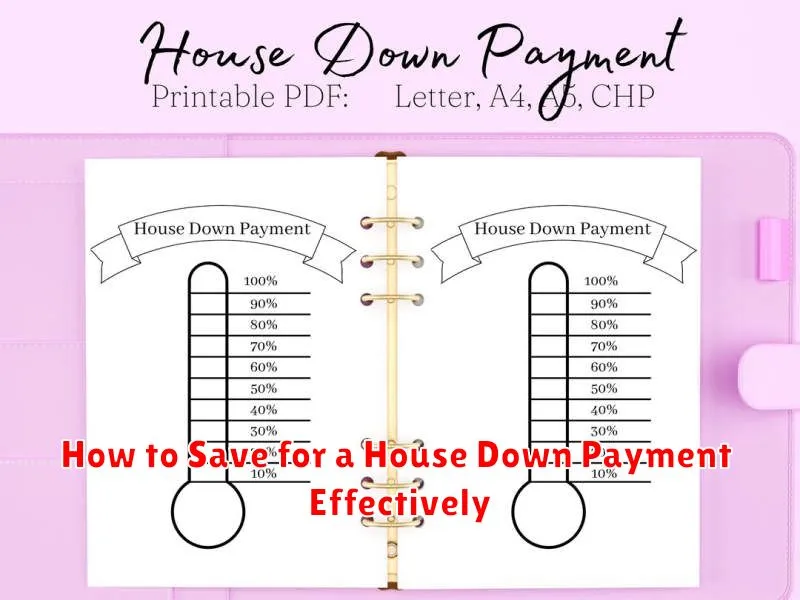
Saving for a house down payment can feel like a daunting task, but with an effective strategy, it’s entirely achievable. This article will provide a comprehensive guide on how to save for a house down payment effectively, covering key strategies, budgeting tips, and smart financial decisions that will bring you closer to owning your dream home. Whether you’re a first-time homebuyer or looking to upgrade, understanding the nuances of saving for a down payment is crucial. We’ll explore various approaches, from traditional methods to innovative solutions, allowing you to tailor a savings plan that fits your individual financial situation and homeownership goals. Learn how to navigate the process with confidence and make your dream of homeownership a reality.
From understanding how much you need to save for a down payment to exploring different down payment assistance programs, this guide will equip you with the knowledge and tools necessary to succeed. We’ll delve into effective budgeting techniques, smart investment strategies, and ways to accelerate your savings. By implementing these strategies, you can efficiently save for your house down payment and pave the way for a secure financial future. Learn how to prioritize your savings, overcome financial obstacles, and ultimately achieve your house down payment goal.
Setting Realistic Savings Goals
Setting a realistic savings goal is the cornerstone of successfully saving for a house down payment. This involves honestly assessing your current financial situation and determining how much you can comfortably save each month.
Begin by tracking your income and expenses. This will illuminate areas where you can potentially reduce spending and redirect funds towards your down payment. Factor in essential expenses like rent, utilities, and food, but also scrutinize discretionary spending like entertainment and dining out.
Consider the target down payment amount. While 20% is often cited, smaller down payments are possible with different loan types. Research various mortgage options and choose a down payment percentage that aligns with your financial capabilities.
Finally, establish a realistic timeframe for achieving your savings goal. This timeframe should be challenging yet attainable, keeping you motivated without setting yourself up for discouragement.
Creating and Sticking to a Budget
Creating a realistic budget is the cornerstone of saving for a down payment. Track your income and expenses meticulously. Utilize budgeting apps, spreadsheets, or even a simple notebook to monitor where your money goes.
Categorize your spending into essential (rent, utilities, groceries) and non-essential (entertainment, dining out). Identify areas where you can reduce spending. Even small changes can make a significant difference over time.
Set realistic savings goals. Determine how much you can comfortably save each month and stick to it. Treat your savings like a non-negotiable monthly expense. Review your budget regularly and adjust as needed.
Reducing Unnecessary Expenses
Cutting back on non-essential spending is crucial for accelerating your down payment savings. Evaluate your current spending habits to identify areas where you can reduce or eliminate costs.
Consider areas like dining out, entertainment subscriptions, and impulse purchases. Preparing meals at home, exploring free or low-cost entertainment options, and delaying gratification on non-essential items can significantly impact your savings progress.
Creating a budget and tracking your expenses can provide valuable insights into your spending patterns and help you identify areas for improvement. Small changes can make a big difference over time.
Using Automated Savings Plans
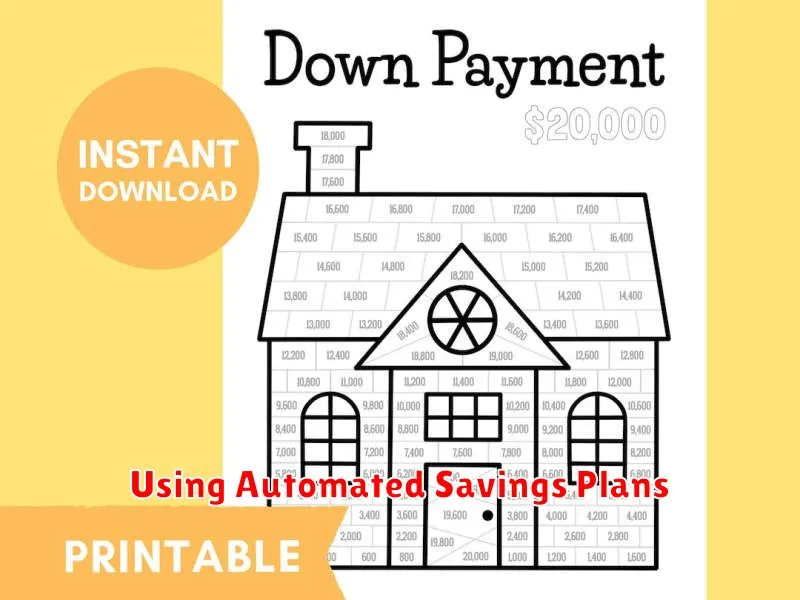
Automating your savings is a powerful tool for reaching your down payment goal. By setting up recurring transfers, you consistently contribute to your savings without having to think about it. This “set it and forget it” approach takes the emotion out of saving and makes it easier to stick to your plan.
Many banks offer automatic transfer options. You can schedule a specific amount to be moved from your checking account to your savings account on a regular basis, such as weekly or monthly. Some banks even offer “round-up” programs that round up your debit card purchases and transfer the difference to savings.
Exploring Down Payment Assistance Programs
Down payment assistance programs (DPAs) can be a valuable resource for potential homebuyers struggling to accumulate the necessary funds for a down payment. These programs, often offered by state and local governments or non-profit organizations, provide financial assistance, typically in the form of grants or low-interest loans, to help individuals purchase a home.
Eligibility requirements vary depending on the specific program, but often include income limits and home purchase price restrictions. Some programs may also require homebuyer education courses. It is crucial to thoroughly research and compare different programs available in your area to determine which one best suits your needs and financial situation. DPAs can significantly reduce the upfront cost of buying a home, making homeownership more accessible to a wider range of individuals.
Boosting Your Income
Increasing your income is a crucial step towards saving for a down payment. While budgeting and cutting expenses are important, boosting your earnings can significantly accelerate your progress.
Consider these options to increase your income:
- Negotiate a raise: Research industry salary standards and prepare a strong case highlighting your achievements and value to your current employer.
- Seek a higher-paying job: Explore job opportunities in your field or related industries that offer better compensation.
- Develop new skills: Acquiring in-demand skills can increase your earning potential in your current role or open doors to new career paths.
- Monetize your skills: Explore freelance opportunities or side hustles that leverage your existing talents, such as writing, design, or tutoring.
Prioritizing Debt Reduction
Before aggressively saving for a down payment, prioritize high-interest debt. High-interest debt, such as credit card debt, significantly impacts your ability to save effectively. The interest payments eat into your potential savings, making it harder to reach your down payment goal.
Create a debt reduction plan. A popular strategy is the debt snowball method, where you focus on paying off the smallest debt first for motivation, then rolling that payment amount into the next smallest debt, and so on. Alternatively, the debt avalanche method prioritizes paying off the debt with the highest interest rate first, saving you money in the long run.
Considering High-Interest Savings Accounts
A high-interest savings account is a key tool for accumulating your down payment. These accounts offer a higher annual percentage yield (APY) than traditional savings accounts, helping your money grow faster. While the rates fluctuate with market conditions, they generally offer a better return.
Key benefits include easy access to your funds and FDIC insurance, providing security and peace of mind. While not as high-yield as some investments, they provide a safe and reliable way to grow your savings while maintaining liquidity.
Avoiding Common Savings Mistakes
Saving for a large purchase like a house requires diligence and smart planning. Avoiding common pitfalls can significantly impact your progress.
One frequent mistake is lack of a concrete budget. Understanding your income and expenses is crucial. Track your spending to identify areas where you can cut back and allocate more towards your down payment.
Another common error is underestimating additional costs. Beyond the down payment, consider closing costs, moving expenses, and potential home repairs. Factor these into your savings goal.
Finally, failing to adjust your savings plan over time can hinder your progress. Life changes, and your savings strategy should adapt accordingly. Periodically review and revise your plan as needed.
Tracking Your Progress

Regularly monitoring your savings progress is crucial for staying motivated and making necessary adjustments. Establish a system that works for you. This could be a simple spreadsheet, a budgeting app, or even a handwritten ledger.
Key metrics to track include your current savings balance, monthly contributions, and estimated time to reach your down payment goal. Review your progress at least monthly. This allows you to identify areas where you can potentially boost your savings rate or adjust your target down payment amount if needed.
