

Real estate auctions can be an exciting yet daunting prospect for potential buyers. They offer the potential to acquire properties at below-market value, but also come with inherent risks and require careful navigation. Whether you’re a seasoned investor or a first-time homebuyer considering the auction route, understanding the intricacies of the process is crucial. This article provides invaluable tips for buyers looking to successfully navigate the world of real estate auctions, equipping you with the knowledge and strategies to make informed decisions and potentially secure a great deal on your next property purchase.
From due diligence and pre-auction preparations to understanding bidding strategies and legal considerations, we’ll cover the essential aspects of buying real estate at auction. Learn how to identify promising opportunities, conduct thorough research on properties, and develop a winning bidding strategy. We’ll also explore common pitfalls to avoid, helping you minimize risks and maximize your chances of a successful real estate auction experience. Whether you’re searching for residential, commercial, or investment properties, this guide will provide the tools you need to confidently participate in real estate auctions and potentially secure your dream property.
Understanding the Auction Process
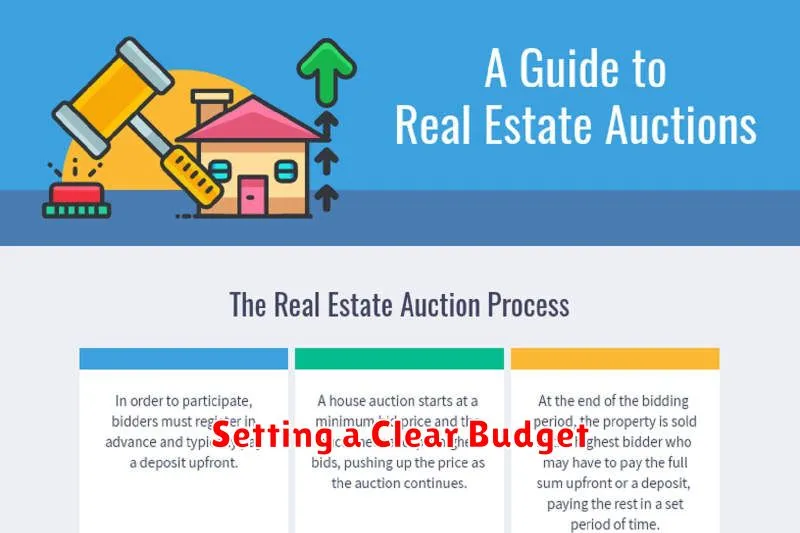
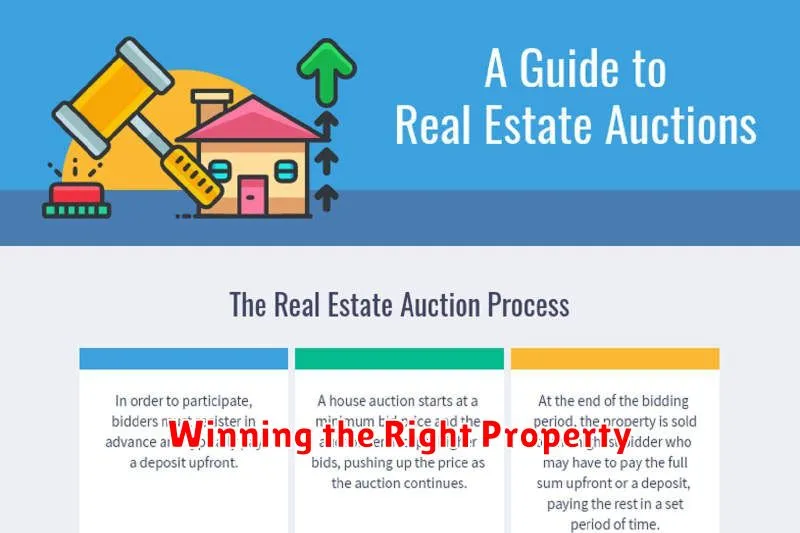
Real estate auctions offer a unique way to purchase property, but it’s crucial to understand the process before participating. Auctions are typically fast-paced and require decisive action.
Generally, the auction process involves registering beforehand, often with a required deposit. Then, on auction day, potential buyers bid against each other. The highest bidder wins the property, subject to any reserve price set by the seller. Due diligence is vital before the auction as you typically purchase the property “as is.”
Researching Properties Thoroughly
Due diligence is crucial when considering auction properties. Don’t rely solely on the auctioneer’s information. Conduct independent research to verify details and uncover potential issues.
Start with online resources to gather preliminary data on the property’s history, tax assessments, and recent sales in the area. Visit the property in person to assess its condition. Look for signs of necessary repairs or potential problems.
If possible, obtain a professional inspection. This can reveal hidden defects that might significantly impact the property’s value. A title search is also essential to ensure clear ownership and identify any liens or encumbrances.
Setting a Clear Budget
One of the most critical steps in preparing for a real estate auction is establishing a firm budget. This involves more than just knowing the maximum amount you’re willing to bid. It requires careful consideration of all potential costs.
Key expenses to factor in include the deposit amount, closing costs, potential renovation expenses, and any applicable auction fees. Overlooking these added costs can quickly derail your finances and lead to unfortunate surprises.
Determine your maximum bid by working backward from your total budget after subtracting all anticipated expenses. This disciplined approach will help you avoid emotional bidding and stay within your financial comfort zone. Remember, exceeding your budget can have serious consequences.
Inspecting Properties in Advance
Due diligence is paramount when participating in real estate auctions. Prior to bidding, arrange for a thorough inspection of any property you’re seriously considering. This allows you to identify potential issues that may not be apparent during a brief open house.
Professional inspections are highly recommended. A qualified inspector can assess the structural integrity, electrical and plumbing systems, as well as potential environmental hazards. This gives you a clearer picture of the property’s condition and any necessary repairs.
Review any available property disclosures provided by the seller. These documents can reveal past issues or ongoing concerns that might influence your bidding decision.
Evaluating Market Values
Before bidding at a real estate auction, thorough research is essential to determine a property’s fair market value. Overpaying can negate the potential benefits of an auction purchase.
Begin by examining comparable sales (comps) in the area. Look for recently sold properties similar in size, features, and location. This provides a baseline for assessing the subject property’s worth.
Consider engaging a professional appraiser for an independent valuation. While an added expense, it provides an objective assessment and can be invaluable in competitive bidding situations.
Factor in any necessary repairs or renovations. Auctions often feature properties sold “as-is,” so anticipate potential costs impacting your overall investment.
Strategies for Bidding Effectively
Effective bidding requires a combination of preparation and strategy. Set a maximum bid before the auction begins and stick to it. This prevents emotional overspending. Carefully observe other bidders to gauge the level of competition.
Start with a lower bid than your maximum to assess the pace of the auction. Then, bid strategically, increasing your bids incrementally rather than jumping significantly. This can sometimes discourage other bidders. Be confident and decisive with your bids to project an air of seriousness.
Recognizing Potential Risks
Real estate auctions can offer exciting opportunities, but they also come with inherent risks. Due diligence is crucial before bidding. Unforeseen issues can lead to significant financial losses if not properly addressed.
Property Condition: Auctions often sell properties “as-is,” meaning the seller makes no guarantees about their condition. Pre-auction inspections are essential to uncover potential problems like structural damage, pest infestations, or liens.
Competition and Emotional Bidding: The competitive atmosphere of an auction can escalate prices quickly. Set a maximum bid beforehand and stick to it. Avoid getting caught up in emotional bidding wars that could lead to overpaying.
Securing Auction Financing
Financing is a critical aspect of purchasing real estate at auction. Unlike traditional real estate transactions, auctions often require pre-approved financing or proof of funds. Because closing timelines are typically shorter, securing financing beforehand is essential.
Consult with lenders specializing in auction financing. These lenders understand the unique demands of auction purchases. Pre-approval demonstrates your seriousness as a bidder and allows you to bid confidently within your budget. Be prepared to provide necessary financial documentation quickly.
Explore different loan options. Traditional mortgages might not be suitable due to the accelerated closing process. Consider options like hard money loans or private lenders, but be mindful of potentially higher interest rates and fees associated with these alternatives.
Understanding Auction Terms and Conditions
Before bidding, thoroughly review the auction’s terms and conditions. These documents outline crucial details that can significantly impact your purchase.
Key areas to examine include:
- Deposit requirements: Understand the amount and form of the deposit needed to participate.
- Financing contingencies: Determine if financing is allowed and the terms involved.
- Property inspection: Verify the opportunity to inspect the property beforehand.
- Title review: Ensure you have time to review the title report and address any issues.
- Closing timeline: Be aware of the expected closing date and associated procedures.
Seek legal counsel if you have questions about the terms and conditions. A clear understanding protects your interests and helps avoid potential problems after a successful bid.
Winning the Right Property
Securing the right property at auction requires diligent preparation and a strategic approach. Thorough research is paramount. Analyze comparable sales data to establish a realistic maximum bid. Understand the terms and conditions of the auction, including any buyer’s premiums or other fees.
Inspect the property carefully. A professional inspection is highly recommended to identify potential issues that may impact its value. Attend open houses and familiarize yourself with the property’s features and condition.
Set a firm budget and stick to it. The excitement of the auction can lead to overbidding. Having a predetermined limit helps avoid emotional decisions. Be prepared to walk away if bidding exceeds your comfort level. Remember, there will always be other opportunities.
