
Owning property is a significant investment, and ensuring its long-term value requires diligent maintenance. Whether you’re a seasoned landlord or a first-time homeowner, understanding the essential maintenance tips for your property is crucial. This article provides valuable insights into proactive property maintenance, encompassing everything from routine upkeep to preventative measures that can save you time, money, and stress in the long run. From foundational elements like roof and plumbing to aesthetic aspects like landscaping and paint, we will cover the key areas demanding attention to maximize your property’s lifespan and retain its market value.
Effective property maintenance isn’t just about fixing problems as they arise; it’s about preventing them altogether. By implementing a strategic maintenance plan, you can avoid costly repairs, enhance your property’s appeal, and ensure tenant satisfaction (if applicable). Explore these essential maintenance tips and gain the knowledge necessary to safeguard your investment and enjoy the benefits of a well-maintained property for years to come. Understanding these key maintenance tasks will empower you to address potential issues before they escalate into major problems, ultimately preserving your property’s value and ensuring peace of mind.
Regular Inspection Schedule
Establishing a consistent inspection schedule is crucial for proactive property maintenance. Regular inspections allow you to identify and address minor issues before they escalate into costly repairs.
Consider the following recommended inspection frequencies:
| Area/System | Frequency |
|---|---|
| HVAC System | Biannually (Spring/Fall) |
| Roof | Annually |
| Plumbing | Annually |
| Electrical Systems | Annually |
| Smoke/Carbon Monoxide Detectors | Monthly |
Adjust these frequencies based on the age of your property, local climate, and specific manufacturer recommendations. Documenting your inspections is highly recommended.
Seasonal Home Maintenance Tasks
Maintaining your property throughout the year requires attention to seasonal changes. Addressing specific tasks each season helps prevent larger issues and maintains property value.
Spring
Inspect roof and gutters for damage after winter. Clean gutters and downspouts. Check exterior drainage. Service air conditioning units.
Summer
Inspect and clean decks and patios. Check for leaks in plumbing and irrigation systems. Clean and inspect your attic’s ventilation.
Fall
Clean and inspect heating systems. Clean gutters and downspouts. Inspect and repair weather stripping around doors and windows. Prepare landscaping for winter.
Winter
Check for drafts and seal air leaks. Inspect roof for snow buildup. Protect pipes from freezing. Test smoke and carbon monoxide detectors.
Maintaining HVAC Systems
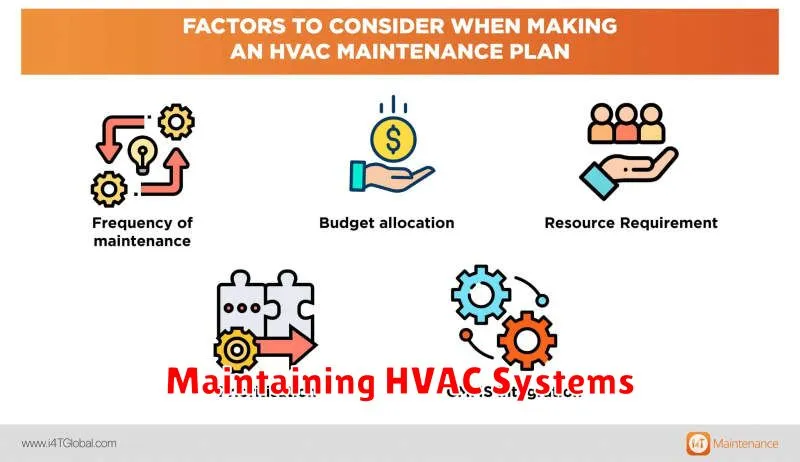
Regular HVAC maintenance is crucial for property owners. It ensures efficient operation, extends the lifespan of the equipment, and prevents costly breakdowns. A well-maintained system also contributes to a healthier indoor environment.
Key maintenance tasks include regularly replacing air filters, cleaning coils, and checking refrigerant levels. It’s also important to schedule professional inspections at least once a year. During these inspections, a technician will thoroughly examine the system, identify potential issues, and perform necessary adjustments or repairs.
Neglecting HVAC maintenance can lead to decreased efficiency, higher energy bills, and premature system failure. Preventive maintenance is a cost-effective way to protect your investment and ensure comfortable indoor temperatures year-round.
Preventing Water Damage
Water damage is a significant concern for property owners, leading to costly repairs and potential health hazards. Proactive measures can significantly reduce the risk.
Regularly inspect plumbing for leaks, paying close attention to pipes, faucets, and toilets. Address any drips or signs of moisture promptly. Ensure gutters and downspouts are clear of debris to direct water away from the foundation.
In colder climates, insulate exposed pipes to prevent freezing and bursting. Consider installing a water leak detection system for early warnings of potential issues. Knowing the location of your main water shut-off valve is crucial for quick action in case of a major leak.
Ensuring Proper Insulation
Proper insulation is crucial for maintaining a comfortable indoor environment and minimizing energy costs. It acts as a barrier against heat transfer, keeping your property cool in the summer and warm in the winter.
Check your attic, walls, and floors for sufficient insulation. Look for signs of inadequate insulation, such as drafts, cold spots, and fluctuating indoor temperatures. Consider adding insulation to areas lacking sufficient coverage. Different types of insulation are available, including fiberglass, cellulose, and spray foam, each with its own R-value, representing its thermal resistance. Choose an insulation type appropriate for your climate and budget.
Regular inspection and maintenance of your insulation will ensure its effectiveness and longevity. By investing in proper insulation, you can significantly reduce your energy bills and improve the overall comfort of your property.
Landscaping and Exterior Maintenance
Maintaining your property’s exterior enhances curb appeal and preserves its value. Regular landscaping and exterior maintenance are essential.
Key tasks include lawn care (mowing, fertilizing, and weeding), tree and shrub pruning, and seasonal cleanup (leaf removal, gutter cleaning).
Additionally, inspect and maintain exterior surfaces. This includes cleaning siding, repairing cracks in walkways, and repainting or staining as needed.
Home Security Checks
Regular security checks are crucial for protecting your property. Inspect all locks on doors and windows, ensuring they function correctly. Replace any damaged or weak locks immediately.
Test your security system, including alarms and sensors. If you have a monitored system, confirm its connectivity. Check the functionality of exterior lighting. Adequate lighting deters potential intruders.
Evaluate the visibility of house numbers from the street. Ensure they are easily readable for emergency services. Trim overgrown landscaping that could offer concealment to unwanted visitors.
Budgeting for Maintenance Costs
Proactive budgeting for maintenance prevents financial strain and preserves property value. A well-structured budget accounts for both predictable and unpredictable expenses.
Regular maintenance costs are relatively easy to anticipate. These include tasks like landscaping, gutter cleaning, and HVAC servicing. Create a schedule and research average costs in your area for these services.
Unforeseen repairs, like a burst pipe or roof damage, require a contingency fund. Experts recommend setting aside 1-3% of your property’s value annually for these unexpected issues.
Energy Efficiency Improvements
Energy efficiency upgrades offer significant long-term savings and enhance property value. Focusing on key areas can maximize your return on investment.
Insulation plays a vital role in regulating indoor temperatures. Adding insulation to attics, walls, and crawl spaces can significantly reduce energy consumption for heating and cooling.
Window and Door Upgrades: Consider replacing older windows with energy-efficient models. Look for double-paned windows with low-E coatings. Properly sealed doors and windows prevent drafts and air leaks.
HVAC System Maintenance: Regular maintenance of your heating, ventilation, and air conditioning (HVAC) system ensures optimal performance. Replacing outdated systems with high-efficiency models can dramatically lower energy bills.
Hiring Reliable Maintenance Professionals
Finding and hiring dependable maintenance professionals is crucial for preserving your property’s value and ensuring the safety of its occupants. Thorough research is essential in this process. Look for licensed and insured professionals with a proven track record.
Referrals from trusted sources like neighbors or real estate agents can be invaluable. Online reviews and ratings can also provide insight into a professional’s reputation. When interviewing potential candidates, inquire about their experience, areas of expertise, and availability.
Obtain multiple quotes to compare pricing and services. A detailed written contract outlining the scope of work, payment terms, and timelines protects both parties. Clear communication throughout the process is key to a successful working relationship.
