
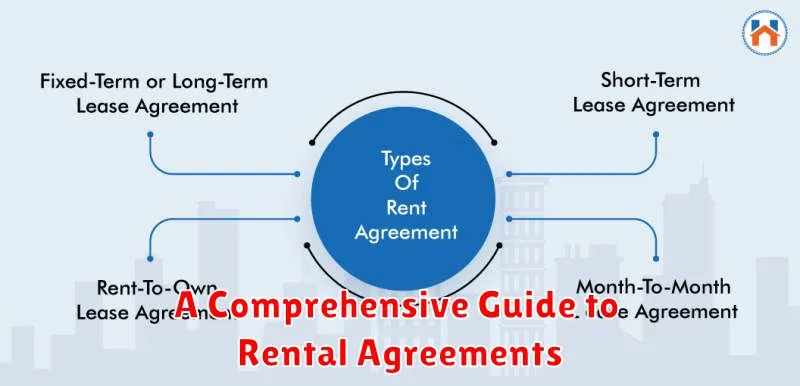
Entering into a rental agreement is a significant step for both landlords and tenants. A comprehensive understanding of lease agreements, including their various clauses, terms, and respective rights and responsibilities, is crucial for a successful tenancy. This guide serves as an exhaustive resource, covering every aspect of rental agreements, from initial drafting and negotiations to potential disputes and termination clauses. Whether you’re a seasoned landlord or a first-time renter, understanding the intricacies of rental agreements is paramount for a smooth and legally sound tenancy.
This comprehensive guide will delve into the essential components of a rental agreement, including the importance of clearly defined terms for rent, security deposits, lease duration, and property maintenance. We’ll explore the legal requirements governing rental agreements, providing practical advice and clear explanations to help you navigate the complexities of landlord-tenant law. From understanding your rights and obligations to handling potential disputes, this guide offers valuable insights into creating, managing, and upholding a successful and legally compliant rental agreement.
What to Include in a Rental Agreement
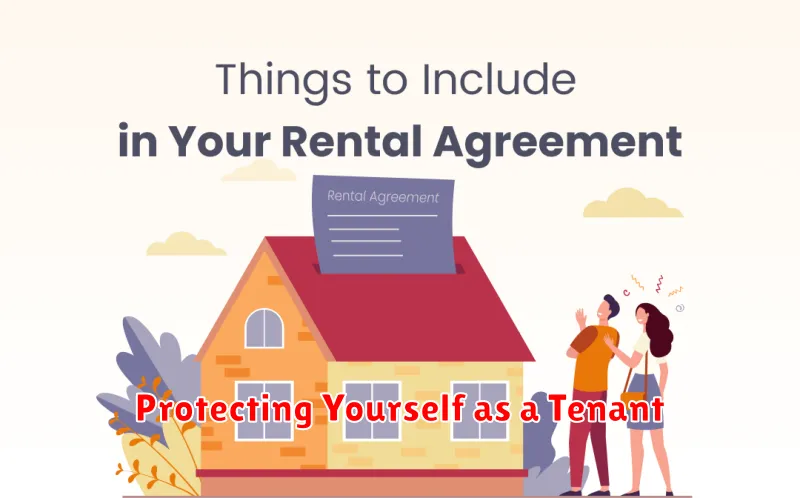
A comprehensive rental agreement protects both landlord and tenant. It should clearly outline the terms of the tenancy, leaving no room for misinterpretation. Key elements to include are the names of all parties involved, the address of the rental property, the lease term, and the rental amount.
Payment details such as due date, accepted methods, and late fees are crucial. Security deposit information, including the amount and conditions for return, should be explicitly stated. Clearly define tenant and landlord responsibilities regarding maintenance and repairs.
Outline any restrictions, such as pet policies or limitations on occupancy. Specify the process for lease termination, including notice periods. Finally, ensure both parties sign and date the agreement.
Understanding Lease Terms
Lease terms define the specifics of a rental agreement between a landlord and tenant. These terms are legally binding and outline the responsibilities of both parties.
Key aspects typically covered include the lease duration, rent amount, due date, and acceptable use of the property. Clearly understanding these terms is crucial for both landlords and tenants to avoid disputes and ensure a smooth rental experience.
Security deposits, procedures for maintenance requests, and renewal options are also important elements frequently addressed within the lease terms. Reviewing these details carefully before signing is essential.
Security Deposits Explained
A security deposit is a sum of money paid by a tenant to a landlord at the start of a lease. It acts as a safeguard for the landlord against potential financial losses due to a tenant’s breach of the lease agreement. Common examples include unpaid rent, damage beyond normal wear and tear, and other lease violations.
State laws govern the maximum amount a landlord can request for a security deposit, as well as how it must be held and returned. Landlords are generally required to return the security deposit, less any allowable deductions, within a specified timeframe after the tenant vacates the property.
A detailed accounting of any deductions should be provided to the tenant. It is crucial for tenants to thoroughly document the condition of the property at move-in and move-out to avoid disputes regarding the security deposit.
Tenant and Landlord Responsibilities
A rental agreement outlines the responsibilities of both the landlord and the tenant. Understanding these obligations is crucial for a successful tenancy.
Tenant Responsibilities
Tenants are typically responsible for paying rent on time, maintaining the cleanliness of the property, and reporting any necessary repairs. They must also adhere to the terms outlined in the lease agreement.
Landlord Responsibilities
Landlords are responsible for providing a habitable dwelling. This includes ensuring functioning plumbing, heating, and electrical systems. They are also responsible for addressing necessary repairs in a timely manner.
Common Legal Clauses to Watch For
Rental agreements contain numerous legal clauses that define the terms of the tenancy. Understanding these clauses is crucial for both landlords and tenants.
Some common clauses include the length of the tenancy, specifying whether it’s a fixed-term or month-to-month agreement. The rent amount and payment schedule outline the due date and acceptable payment methods. The security deposit clause details the amount and conditions for its return.
Maintenance responsibilities should be clearly defined, stating who is responsible for repairs and upkeep. Pet policies, if any, should be explicitly stated, including restrictions on breed or size. Finally, the termination clause outlines the conditions under which the lease can be terminated by either party.
How to Handle Lease Renewals
Lease renewals are a crucial aspect of long-term renting. Carefully review the renewal terms offered by your landlord. This often includes any proposed rent increases or changes to the lease agreement.
If you wish to renew, communicate your intent to your landlord in writing within the specified timeframe. This timeframe is usually stipulated in your original lease agreement.
If you’re not satisfied with the proposed terms, negotiate with your landlord. You might be able to negotiate a lower rent increase or other favorable terms.
If you decide not to renew, provide written notice to your landlord within the required timeframe. This allows both parties ample time to prepare for the end of the lease term.
Breaking a Lease: What You Need to Know
Breaking a lease before its expiration can have significant financial and legal implications. It’s crucial to understand your lease agreement thoroughly before considering this option.
Most leases outline specific circumstances under which you can terminate the agreement early without penalty, such as active military duty or the property becoming uninhabitable. However, breaking a lease for other reasons typically involves financial penalties.
These penalties can include paying the remaining rent owed, covering the landlord’s costs to find a new tenant, and potentially forfeiting your security deposit. It’s essential to communicate with your landlord as soon as possible if you anticipate needing to break your lease. Open communication can sometimes lead to mutually agreeable solutions.
Rental Agreement vs Lease
While often used interchangeably, rental agreements and leases are distinct. A rental agreement is typically month-to-month, providing more flexibility for both landlord and tenant. It renews automatically each month until terminated by either party with proper notice.
A lease, however, is a fixed-term contract, usually for six months or a year. It outlines the terms and conditions for the entire rental period. A lease doesn’t automatically renew; a new lease or month-to-month agreement must be established upon expiration.
Important Questions to Ask Before Signing
Before committing to a rental agreement, asking clarifying questions can save you from future headaches. Understanding the terms and conditions fully is crucial. Consider these essential inquiries:
What is the total monthly cost, including rent, utilities, and other fees? Are there any additional charges for parking, pets, or amenities? When is rent due, and what are the late payment penalties?
What is the lease term, and what are the options for renewal? What is the security deposit amount, and under what conditions will it be returned? Are there any restrictions regarding decorating, guests, or pets?
How are maintenance requests handled? Who is responsible for repairs, and what is the expected response time? Is there an on-site manager or a designated point of contact for emergencies?
Protecting Yourself as a Tenant
As a tenant, understanding your rights and responsibilities is crucial for a positive renting experience. Thoroughly review the lease agreement before signing. Pay close attention to clauses regarding rent increases, repairs, and lease termination.
Document the condition of the property upon move-in, noting any existing damage. This protects you from being held responsible for pre-existing issues. Maintain open communication with your landlord, addressing concerns promptly and in writing.
Understand your local tenant laws regarding security deposits, notice periods, and eviction procedures. Keep copies of all communication and payment records. These records serve as vital evidence should any disputes arise.
