

Are you considering purchasing a fixer-upper home? The prospect of crafting your dream home from a diamond in the rough can be incredibly appealing, offering the chance to personalize every detail and potentially build significant equity. However, taking on a fixer-upper also presents unique challenges and potential pitfalls that require careful consideration. This article will explore the numerous pros and cons of buying a fixer-upper home, offering a comprehensive guide to help you make an informed decision. Understanding the advantages and disadvantages of fixer-uppers is crucial for navigating this complex real estate venture. From potential cost savings and design flexibility to the realities of renovation stress and unforeseen expenses, we’ll delve into the critical factors you need to assess before committing to a fixer-upper property.
Navigating the world of fixer-upper homes requires a clear understanding of the potential rewards and risks involved. While the allure of a lower purchase price and the ability to customize your living space are undeniable pros, the cons can include hidden costs, extensive renovations, and significant time commitments. This article provides a thorough analysis of the pros and cons of buying a fixer-upper, equipping you with the knowledge necessary to determine if this path to homeownership aligns with your financial resources, skillset, and overall lifestyle. Whether you’re drawn to the potential investment opportunity or the creative freedom, weighing these factors carefully is paramount to a successful fixer-upper experience.
Lower Purchase Price Advantage
One of the most significant advantages of buying a fixer-upper is the lower purchase price. These homes often sell below market value due to their condition, offering a substantial initial cost saving. This can be especially appealing to buyers with limited budgets or those looking to maximize their return on investment.
This lower price point allows buyers to allocate more funds towards renovations and customization, ultimately creating a home tailored to their preferences without exceeding their overall budget. This can lead to significant equity growth upon completion of repairs and upgrades.
Potential for High Return on Investment
One of the most significant advantages of purchasing a fixer-upper is the potential for a high return on investment. By purchasing a property below market value due to its condition, you create an opportunity to build equity through renovations and improvements.
Strategic renovations focused on high-impact areas like kitchens and bathrooms can significantly increase the property’s value. As you enhance the property, you’re not just making it livable; you’re creating added value that translates into profit when you decide to sell. This potential for a substantial return makes fixer-uppers attractive to investors and homeowners willing to put in the work.
Risks of Unexpected Repair Costs
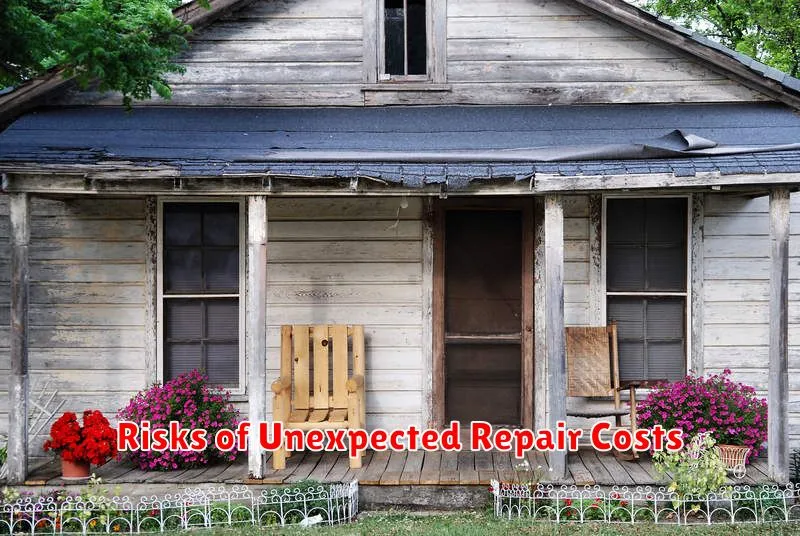
One of the most significant downsides to purchasing a fixer-upper is the potential for unforeseen repair expenses. While initial inspections can identify some issues, hidden problems often emerge during renovations. These can range from minor inconveniences like faulty wiring to major structural damage requiring extensive and costly repairs.
Budgeting accurately for a fixer-upper can be challenging. Unforeseen issues can quickly inflate costs beyond the initial estimates. This can put a substantial financial strain on homeowners, especially if they have limited contingency funds.
Evaluating Renovation Feasibility
Before committing to a fixer-upper, a thorough feasibility study is essential. This involves realistically assessing the scope of renovations.
Consider the structural integrity of the house. Are there major foundation issues, roof problems, or outdated plumbing/electrical systems? These can significantly impact the budget.
Next, evaluate the desired improvements. Are you planning cosmetic updates or a complete overhaul? Prioritize needs versus wants to manage costs effectively.
Finally, research local permitting requirements and associated costs. Unforeseen permitting issues can cause delays and increase expenses.
Time and Effort Commitments
Purchasing a fixer-upper demands a significant investment of both time and effort. Renovations invariably take longer than anticipated, often encountering unforeseen complications. Be prepared to dedicate evenings and weekends to managing contractors, sourcing materials, and potentially even undertaking some of the work yourself.
Project management skills become essential. You’ll need to coordinate various tradespeople, ensure materials arrive on time, and keep the project within budget. The emotional toll can also be substantial, especially when faced with unexpected delays or cost overruns.
If you’re juggling a full-time job and family responsibilities, renovating a fixer-upper can be incredibly demanding. Consider whether you possess the necessary time, energy, and resources to commit to such a project before taking the plunge.
Impact on Living Conditions
Purchasing a fixer-upper significantly impacts living conditions, often requiring compromises during renovations. Dust, noise, and general disruption are common occurrences. Depending on the scope of the project, certain amenities like a fully functioning kitchen or bathroom might be unavailable for a period.
Living amidst ongoing construction can be stressful, particularly for families with children or individuals working from home. The timeline for completion can be unpredictable, leading to further disruptions to daily routines. Budget overruns and unexpected repairs can also add to the strain.
However, a phased renovation approach can help mitigate some of these challenges, allowing for more manageable living conditions while improvements are gradually made. Careful planning and open communication with contractors are crucial for navigating this period successfully.
Obtaining Financing for Repairs
Securing funds for renovations is a key aspect of buying a fixer-upper. Several financing options exist, each with its own advantages and disadvantages. Traditional mortgages typically won’t cover repair costs. Therefore, exploring specialized loan products is crucial.
Renovation loans, such as FHA 203(k) or Fannie Mae HomeStyle®, allow borrowers to finance both the purchase price and renovation costs in a single loan. These loans require detailed cost estimates and contractor bids. Personal loans or home equity lines of credit (HELOCs) offer another avenue, but they often carry higher interest rates and may require existing home equity.
Carefully evaluate your financial situation and the scope of renovations to determine the most suitable financing option. Consulting with a lender specializing in renovation financing is highly recommended.
Hiring Contractors vs. DIY
A major consideration with fixer-uppers is who will perform the renovations. Choosing between hiring contractors and doing-it-yourself (DIY) significantly impacts cost, time, and final quality.
Hiring contractors often leads to higher upfront costs. However, professionals offer expertise, efficiency, and potentially higher quality workmanship. This can translate to fewer mistakes and a quicker turnaround time, especially for complex projects. You also benefit from their licensing and insurance, protecting you from liability.
The DIY route presents considerable cost savings on labor. This can be appealing for budget-conscious buyers. However, DIY requires significant time, skill, and the correct tools. Underestimating the complexity of a project or lacking necessary skills can lead to costly mistakes and delays, ultimately negating any initial savings.
Estimating Resale Value
Accurately estimating the resale value of your fixer-upper is crucial. This involves considering both the initial investment and the cost of renovations. Overestimating potential resale value is a common pitfall and can lead to financial strain.
Market analysis plays a vital role. Research comparable properties in the area—recently sold homes that are similar in size, features, and condition—to get a realistic sense of market value. Factor in anticipated market fluctuations. If the market is predicted to cool, your resale value might be lower than expected.
Is a Fixer-Upper Right for You?
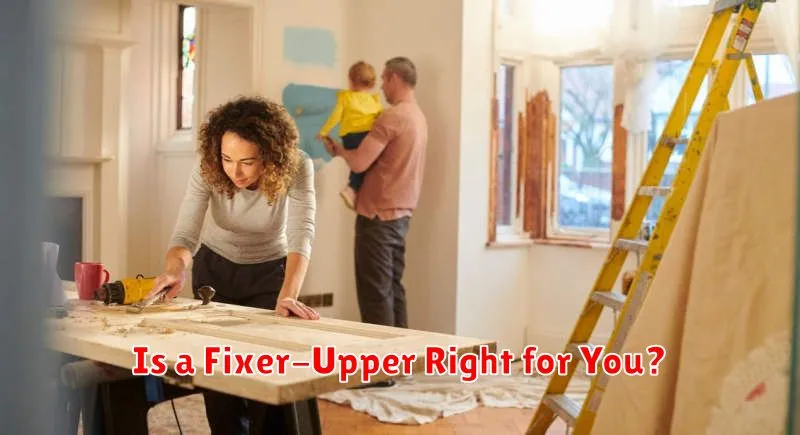
Purchasing a fixer-upper presents a unique opportunity, but it’s crucial to assess your suitability for this type of project. Consider your financial resources. Renovations often exceed initial budgets. Do you have the funds for unexpected expenses?
Beyond finances, evaluate your time commitment. Managing contractors, sourcing materials, and potentially living in a construction zone demands significant time and effort. Patience is also key, as renovations rarely proceed exactly as planned.
Finally, reflect on your DIY skills and tolerance for stress. While some projects can be tackled independently, others require professional assistance. Are you comfortable making design decisions and dealing with potential setbacks?
