
Identifying emerging real estate markets is crucial for investors seeking high returns and long-term growth. Understanding the dynamics of these burgeoning markets can provide a significant advantage, allowing investors to capitalize on appreciation potential before areas become widely recognized and competitive. This article will delve into the key indicators and strategies for identifying these promising real estate investment opportunities, offering invaluable insights for both seasoned investors and those new to the market. Pinpointing the right emerging market in real estate can be the key to unlocking significant portfolio growth.
Navigating the complexities of emerging real estate markets requires a keen understanding of various factors, from economic indicators to infrastructure development and population trends. By analyzing these crucial elements, investors can effectively assess the potential for future growth and make informed decisions about where to allocate their capital. This article will equip you with the tools and knowledge necessary to identify and evaluate emerging markets in the real estate sector, empowering you to confidently navigate this exciting and potentially lucrative investment landscape. Learn how to identify the next real estate hotspot and maximize your investment returns by understanding the nuances of emerging markets.
Analyzing Population Growth Trends
Population growth is a key indicator of a burgeoning real estate market. Areas experiencing significant population increases often see a corresponding rise in demand for housing.
Analyzing these trends involves examining historical data, current growth rates, and future projections. Consistently strong growth often indicates a healthy market, while declining or stagnant populations can signal potential challenges.
Consider both internal growth (births minus deaths) and net migration (people moving in versus moving out). High net migration often fuels rapid real estate appreciation.
Assessing Infrastructure Developments
Infrastructure plays a critical role in real estate market emergence. Analyzing planned and ongoing projects offers valuable insights. Look for transportation improvements like new highways, public transit expansions, and airport upgrades. These enhance accessibility and drive demand.
Utility upgrades are also key. Increased water and power capacity support population growth and development. Consider the presence of modern communication infrastructure, including fiber optic networks, as essential for businesses and residents.
Pay attention to the development of social infrastructure. New schools, hospitals, and community centers attract families and contribute to quality of life, further boosting the real estate market.
Monitoring Employment Opportunities

Job growth is a crucial indicator of a healthy and growing real estate market. Areas experiencing a surge in employment opportunities often see increased demand for housing, driving up property values.
Track key industries. Pay attention to sectors like technology, healthcare, and education. Growth in these areas often translates to a positive impact on the local real estate market.
Monitor unemployment rates. A low unemployment rate typically suggests a strong local economy, which can be a positive sign for real estate investment.
Evaluating Housing Supply and Demand
Accurately gauging housing supply and demand is crucial for identifying emerging real estate markets. A market with high demand and constrained supply indicates strong potential for price appreciation.
Supply can be assessed by analyzing the number of new housing starts, existing inventory levels, and the time properties spend on the market. Low inventory and short listing times suggest a tight supply.
Demand indicators include population growth, job creation, migration patterns, and local economic performance. A booming economy often fuels housing demand.
By carefully examining these factors, investors can gain valuable insights into market dynamics and identify areas poised for growth.
Recognizing Local Government Initiatives
Local government initiatives play a crucial role in shaping real estate markets. Policies that encourage development, such as tax incentives, zoning changes, and infrastructure investments, can signal an area ripe for growth.
Look for pro-growth policies like streamlined permitting processes, investments in public transportation, and initiatives to attract businesses. These actions often precede significant real estate appreciation.
Pay attention to planned infrastructure projects. New roads, public transit expansions, and utility upgrades can dramatically increase an area’s desirability and property values.
Studying Market Affordability
Market affordability is a critical factor in identifying emerging real estate markets. A market deemed “affordable” attracts a wider range of buyers, fueling demand and driving growth. Analyzing affordability requires examining several key metrics.
Median home price is a crucial indicator. Compare this figure to median household income to understand the relative affordability for residents. A lower ratio of home price to income suggests higher affordability.
Also consider property taxes and insurance costs. These recurring expenses significantly impact overall affordability and should be factored into any analysis. Areas with lower tax burdens are generally more attractive to potential buyers.
Observing Gentrification Patterns
Gentrification offers valuable clues for identifying emerging real estate markets. Increased investment in previously neglected neighborhoods is a key indicator. Look for renovations of older buildings, new businesses opening, and infrastructure improvements.
Shifting demographics are also crucial. An influx of higher-income residents often follows these investments, driving up property values. Observe changes in the types of businesses catering to the area, such as a shift from budget-friendly options to more upscale establishments.
While gentrification can bring positive changes, it’s important to also consider the potential displacement of existing residents. A responsible investor will analyze these patterns with a nuanced perspective, considering both the opportunities and challenges they present.
Tracking Real Estate Investments
Effective tracking is crucial for successful real estate investment. This involves meticulously monitoring key performance indicators (KPIs).
Utilize spreadsheets or specialized software to record and analyze data. Track metrics such as property value, rental income, expenses (including maintenance and taxes), and cash flow.
Regularly review your investment portfolio to assess its performance against your initial projections and market trends. Identify any discrepancies and adjust your strategy as needed. This ongoing monitoring enables you to make informed decisions and maximize returns.
Using Data Analytics Tools
Leveraging data analytics tools is crucial for identifying emerging real estate markets. These tools provide access to a wealth of information, enabling in-depth market analysis.
Key data points to analyze include population growth, employment trends, infrastructure development, and housing permits. Analyzing these metrics helps pinpoint areas experiencing rapid growth and potential future appreciation.
Several tools are available, ranging from specialized real estate platforms to broader market analysis software. Choose tools that provide real-time data and allow for customized reporting to meet specific analytical needs.
Predicting Future Market Performance
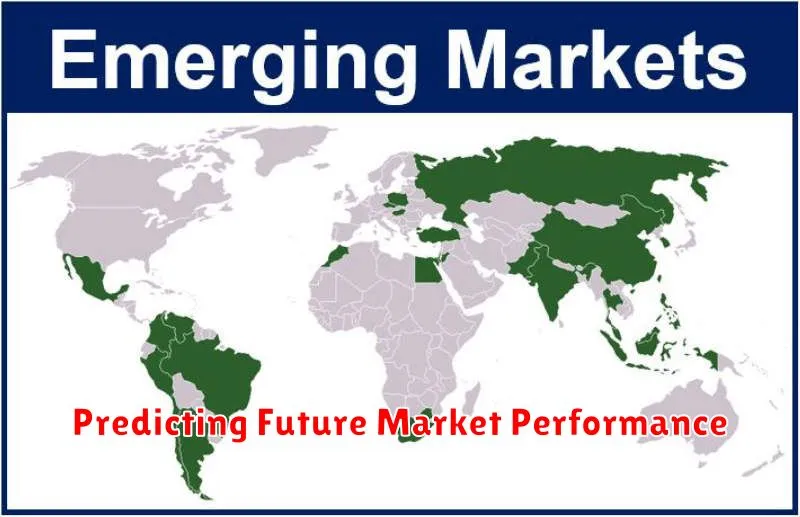
Accurately forecasting real estate market performance is complex and involves analyzing multiple factors. Economic indicators such as employment rates, population growth, and interest rates play a crucial role. Local government policies, including zoning regulations and infrastructure development, also significantly impact market trends.
Market analysis tools can provide valuable insights. Analyzing historical sales data, current inventory levels, and days on market can help identify potential growth areas. Examining competing developments and understanding local demographics further refines the prediction process.
